Trying to choose the right Grand Rapids neighborhood can feel overwhelming. There are historic streets, quiet suburbs, and up-and-coming areas, each with different commutes, home styles, and price points. You want a smart way to compare options so you feel confident before you tour and write offers. This guide gives you a simple framework, local context to watch for, and practical steps to validate your picks. Let’s dive in.
Start with your priorities
Before you look at maps, get clear on what matters most. Define a maximum commute, your budget and monthly payment, the type of home you want, and any school needs. This tight focus will save you time and keep you from chasing the wrong fit.
Make two lists:
- Must-haves: bedrooms and baths, garage or parking, home type, commute limit.
- Nice-to-haves: walkable restaurants, proximity to parks, historic character, larger yard.
Revisit these lists as you learn. Your priorities may sharpen once you compare a few areas side by side.
Commute and transportation in GR
Commute time shapes your daily life. Grand Rapids has several employment hubs, including downtown offices, the Medical Mile, and university and corporate sites. Major routes like US‑131 and I‑196 connect neighborhoods across the metro, and Gerald R. Ford International Airport sits in Cascade Township. Public transit is provided by The Rapid, and Amtrak’s Pere Marquette offers rail service to Chicago.
What to check:
- Drive times at peak hours to your workplace and frequent destinations.
- Transit routes and frequency if you plan to ride.
- Bike lanes, sidewalks, and parking rules for your target blocks.
Test your commute twice at rush hour, morning and evening. This quick step can move a neighborhood up or down your list fast.
Home types and housing age
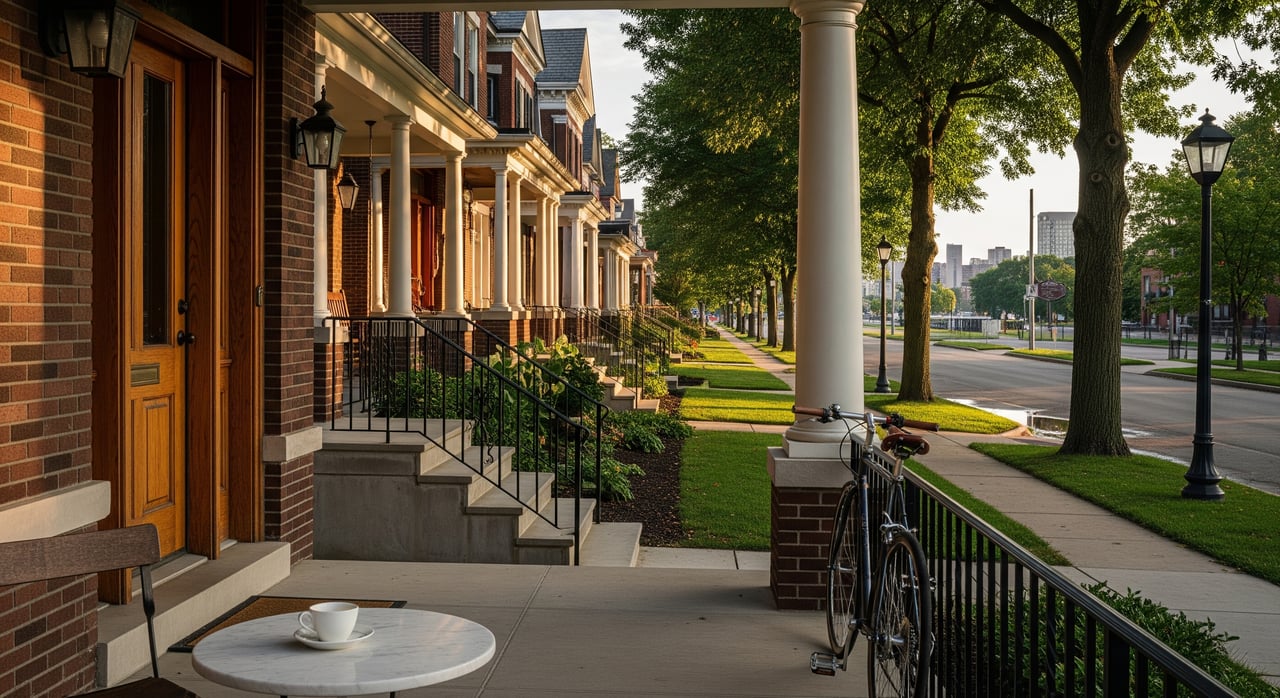
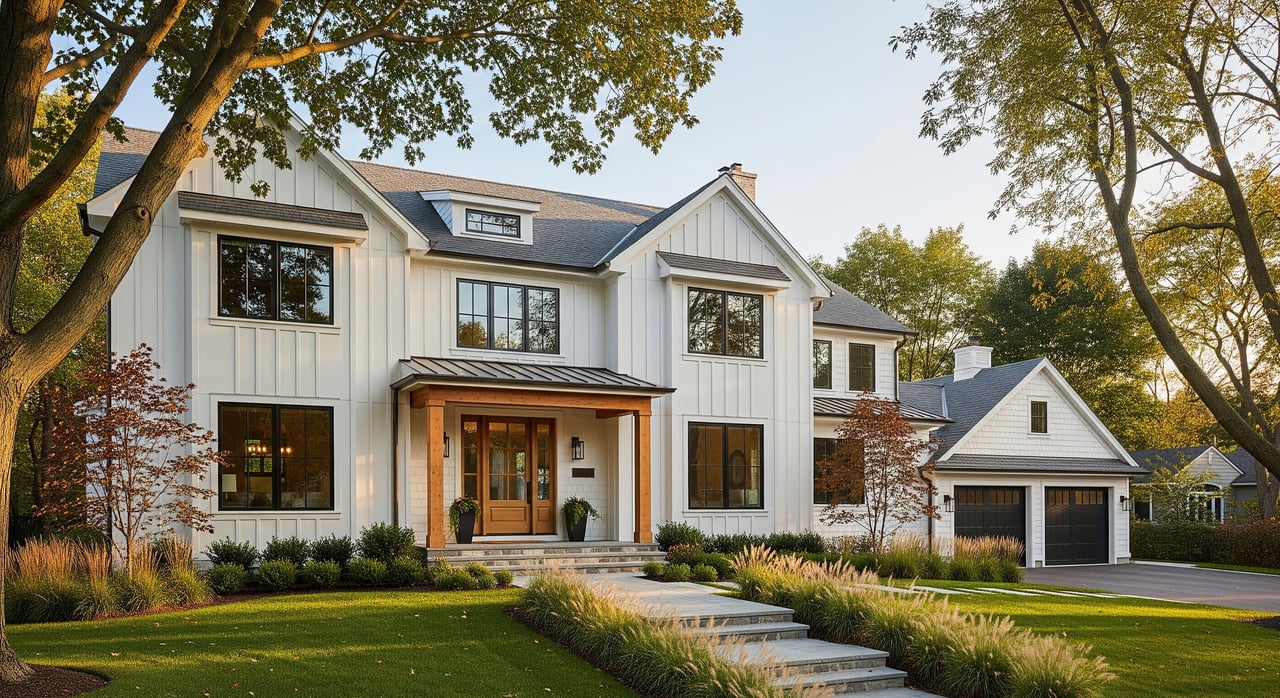
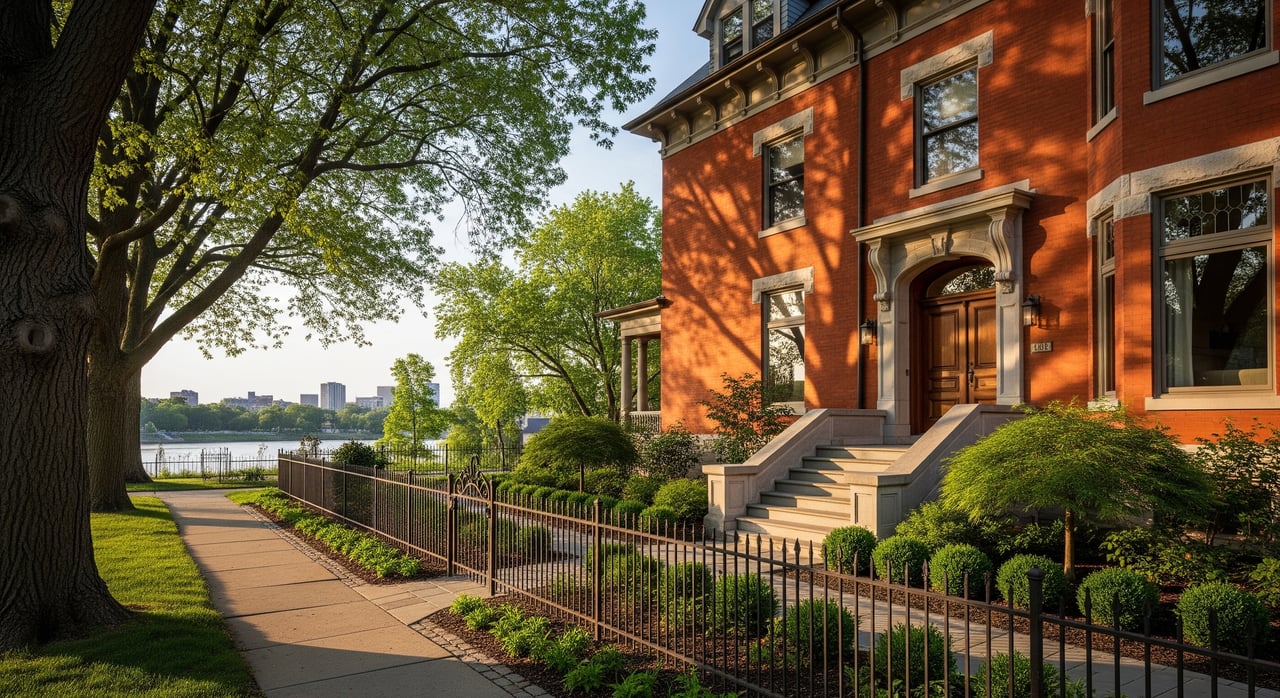
Grand Rapids offers a wide range of housing styles. Close-in neighborhoods such as Heritage Hill, Eastown, and parts of Midtown feature older homes with period details, along with some condo and loft options. Downtown and surrounding districts include renovated warehouses, new infill, and condo buildings. Suburbs like Kentwood, Wyoming, Grandville, Ada, and Cascade often offer mid-century ranches, newer subdivisions, and larger lots.
If you are drawn to older homes, plan for potential updates and historic-district guidelines. If you prefer lower-maintenance living, compare townhomes and condos near job centers.
Price and affordability basics
Prices vary widely by neighborhood. Some areas, such as East Grand Rapids and parts of Heritage Hill, are typically higher priced. Other neighborhoods, including parts of Creston, Alger Heights, and the West Side, often provide more budget-friendly entry points. Downtown condos and lofts can be a good way to access central locations at smaller square footage.
Keep your analysis current:
- Review recent medians and days on market for each area before you tour.
- Include property taxes, insurance, and HOA dues in your monthly budget.
- If using a VA loan, confirm closing costs, funding fee details, and any condo approvals.
Schools and boundaries
School districts are a major driver for many buyers. Portions of the city feed Grand Rapids Public Schools, with charter and private options across the metro. Many buyers also compare districts such as East Grand Rapids, Forest Hills, and Rockford using state data and district resources.
Stay objective and verify:
- Confirm district boundaries for any specific address.
- Review state-reported test results and program offerings.
- Consider commute and daily logistics alongside academics.
Use only neutral, factual sources and confirm details directly with the district.
Safety and crime checks
Safety varies by block and can change over time. Denser central areas may see more property-related incidents typical of urban settings, while other areas may have lower reported rates. Avoid assumptions and look at trends over the last 12 to 24 months.
Smart steps:
- Review local police data portals and neighborhood crime maps.
- Visit at different times of day and talk with neighbors.
- Consider lighting, traffic, and your comfort level on the streets you would use.
Walkability and local amenities
Walkability adds daily convenience and a sense of community. Downtown, Midtown, Eastown, and the Wealthy Street corridor offer strong walkable options with shops and dining close by. Many suburban areas trade walkability for larger retail centers and more parking.
As you compare areas, note:
- Grocery and essential errands within a short drive or walk.
- Local cafés, gyms, and services you use weekly.
- Sidewalk quality, crosswalks, and bike-friendly routes.
Parks and outdoor access
West Michigan shines with parks and green space. Millennium Park, the Grand River corridor, Frederik Meijer Gardens, and neighborhood parks provide year-round options. Neighborhoods near Reeds Lake or large park systems tend to appeal to outdoor-focused buyers.
Checklist:
- Distance to your preferred parks and trails.
- Access to community centers and sports fields.
- Waterfront access, trail connectivity, and seasonal activities.
Environmental and physical factors
Do a quick risk screen for each property on your shortlist. Homes near the Grand River or in low-lying areas may need flood insurance. Older homes can have lead service lines or plumbing that needs attention, and radon is a common test in this region.
What to verify before you bid:
- Flood zone status using official maps.
- Known or potential lead service lines and local water service guidance.
- Radon testing plans and mitigation costs, if needed.
Zoning and future change
Grand Rapids continues to invest in downtown and key corridors. Redevelopment can improve amenities and long-term value, but may bring construction and traffic in the short term. Review city planning pages and neighborhood plans to understand what could change near your target blocks.
Questions to ask:
- Are there planned road, transit, or park projects nearby?
- Is new multifamily or mixed-use development proposed on key corners?
- Could zoning changes shift density or building types on your street?
A simple 6-step framework
Follow this repeatable process to compare 3 to 6 neighborhoods.
- Define non-negotiables
- Commute limit, minimum beds/baths, home type, budget and monthly payment.
- Include taxes, insurance, utilities, and HOA if applicable.
- Must-haves vs. nice-to-haves
- Must-haves: garage or parking, yard size, accessibility to transit.
- Nice-to-haves: walkable restaurants, nearby parks, historic character.
- Build a contrasting shortlist
- East Grand Rapids: separate city near Reeds Lake with a suburban feel and strong demand for single-family homes.
- Heritage Hill / Eastown / Midtown: historic character, walkable spots, close to downtown jobs; mix of older homes and condos.
- Alger Heights / Creston / West Side: commonly more affordable, older housing stock, active community improvements.
- Kentwood / Wyoming / Grandville: suburban mix of post-war and newer construction; car-centric convenience.
- Ada / Cascade / Rockford: village and suburban settings with access to nature; often priced higher.
- Score by weighted criteria
- Example weights: commute 25%, price 25%, schools 15%, safety 10%, walkability/amenities 15%, parks 10%.
- Rate each area 1 to 5 per category and total the scores.
- Do on-the-ground fieldwork
- Drive commutes at rush hour and visit in the evening.
- Walk commercial corridors, visit a park, and run an errand.
- Attend open houses and ask about neighborhood trends.
- Verify technical items before offers
- Recent comps and inventory for the last 3 to 6 months.
- Property taxes and utility estimates.
- Flood, lead service line, and radon checks; HOA rules and fees if applicable.
Grand Rapids neighborhood snapshots
Use these quick sketches to compare lifestyle tradeoffs. Always validate pricing and inventory with current market data before you tour.
- Downtown / Heartside / Midtown: Condos and lofts with the strongest walkability and entertainment; shortest commutes to downtown offices; parking may be limited or paid.
- Heritage Hill: One of the largest urban historic districts with restored period homes near downtown; renovation guidelines can apply.
- Eastown / Wealthy Corridor: Walkable district with locally owned shops and dining; mix of older homes and newer infill close to central job hubs.
- East Grand Rapids: Separate municipality anchored by Reeds Lake and neighborhood parks; strong demand for single-family homes in a suburban setting.
- Creston / Alger Heights / West Side: Diverse housing stock with community revitalization; often provides approachable entry points near the city core.
- Kentwood / Wyoming: Larger suburban cities with broad housing choices, retail centers, and newer subdivisions.
- Ada / Cascade / Rockford: Village and small-town feel with access to trails and natural areas; commonly targeted by buyers seeking more space.
Your next steps
- Get preapproved so you know your exact budget and payment range.
- Shortlist 3 to 6 neighborhoods that contrast on commute, price, and lifestyle.
- Run commute tests for morning and evening to your work address.
- Pull recent comps and inventory for each area with a local agent.
- Schedule contrast tours: one historic or urban, one close-in walkable, one suburban.
- Check school boundaries, crime dashboards, flood maps, and county tax records before you bid.
- If you plan to use a VA loan, confirm eligibility, condo approvals, and timeline considerations early.
Ready to compare neighborhoods with confidence and line up the right tours? Connect with William Leiter for local, veteran-led guidance and a clear plan from shortlist to closing.
FAQs
How should I compare Grand Rapids commute tradeoffs?
- Use a fixed work address and test morning and evening drive times for each neighborhood. If you plan to use transit, check route frequency and total door-to-door time.
How can I gauge future resale value in Grand Rapids?
- Favor areas with steady demand drivers like proximity to job centers, public investments in parks or corridors, lower crime trends, and healthy inventory dynamics based on recent market reports.
Are Grand Rapids historic homes more work to own?
- They can require mechanical updates and ongoing maintenance. Review any historic-district guidelines, get contractor estimates for deferred items, and budget for systems like electrical, plumbing, and HVAC.
What is the best way to assess neighborhood safety in GR?
- Review multi-year crime trends by category on local dashboards, then visit at different times of day. Talk with neighbors and note lighting, activity, and your comfort on likely walking routes.
What environmental checks matter most for GR buyers?
- Confirm flood zone status, check for potential lead service lines on older homes, and plan for radon testing. Ask your agent which official tools to use and what typical mitigation costs look like.