Trying to figure out where you fit in Grand Rapids? Maybe you want coffee shops a short walk away, or a quieter street with a bigger yard. You deserve a clear, local view of how each area feels day to day so you can choose with confidence. This guide breaks down neighborhood styles, housing, commutes, and practical checks that matter in Grand Rapids and nearby suburbs. Let’s dive in.
Neighborhood types at a glance
Urban core
Downtown Grand Rapids offers high-density living with apartments and condos close to offices, restaurants, entertainment, and the riverfront. It feels very walkable and active, with newer infill and adaptive-reuse buildings. If you work downtown, daily life can be car-light and convenient.
Historic near downtown
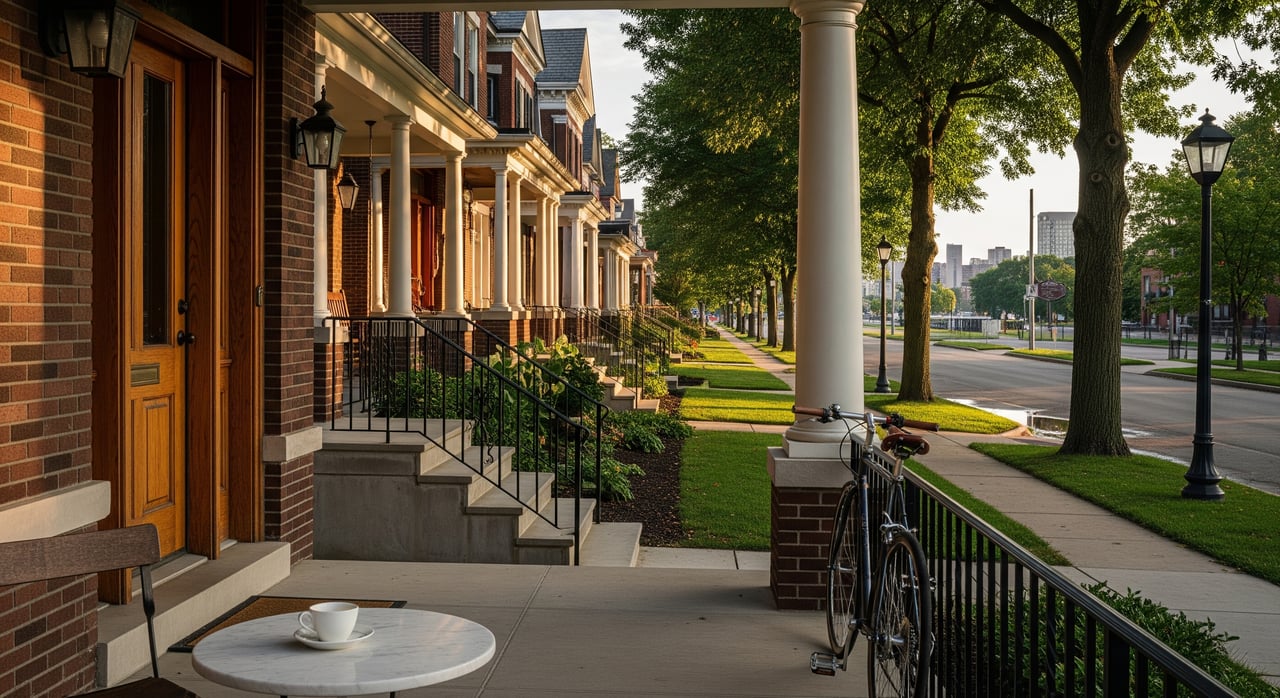
Areas like Heritage Hill, Belknap Lookout, and South Hill feature late-1800s to early-1900s homes with sidewalks and tree-lined streets. You see Victorian, Queen Anne, Craftsman, and Colonial Revival styles. These neighborhoods are close to cultural venues and jobs, and many homes are architecturally distinctive.
Urban mixed-use corridors
Eastown, Midtown, and the Wealthy/Franklin corridor pair small commercial strips with nearby residential blocks. Expect coffee shops, restaurants, and local retail within a few blocks. You find a mix of single-family homes, duplexes, and small apartment buildings.
Transitional close-in areas
Creston, Alger Heights, and West Grand include older homes with some blocks seeing reinvestment. Housing tenure can vary, with both owner-occupied and rental properties. These areas often serve as more affordable entries for buyers and investors.
Suburban style in and near the city
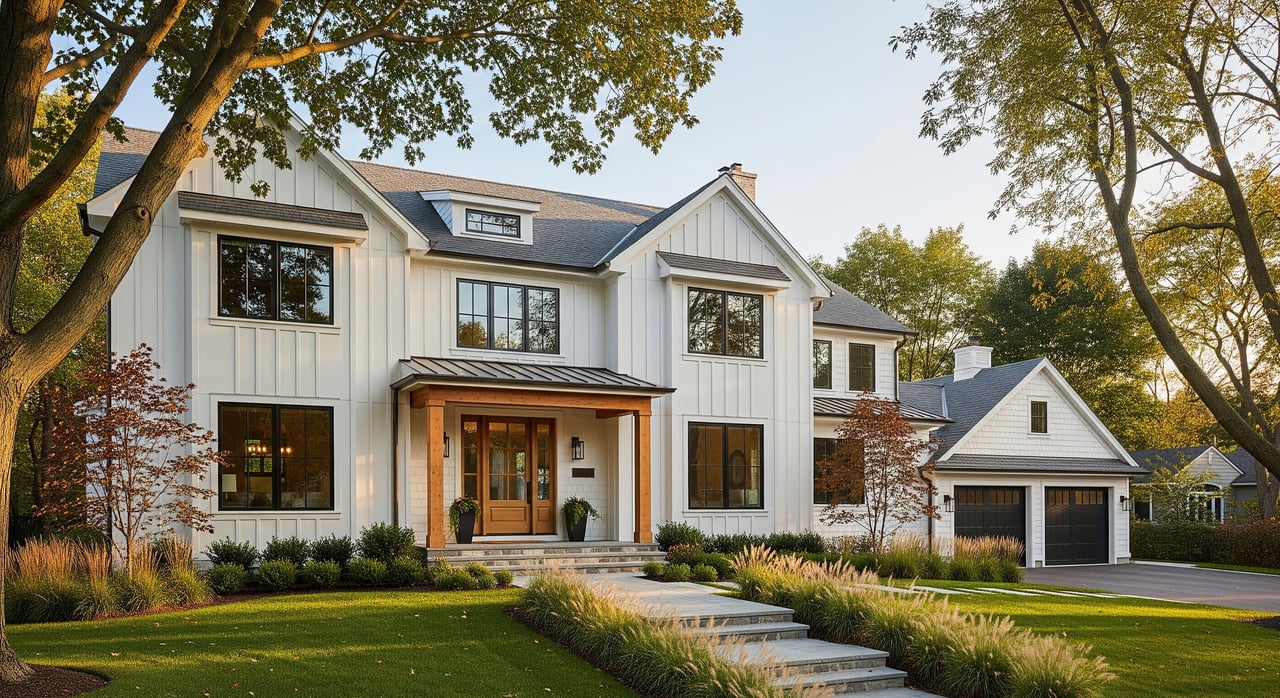
Parts of southeast and northeast Grand Rapids, plus Kentwood, Wyoming, Cascade Township, and Grandville, offer post-war and later development. Daily life often centers on driving to schools, parks, and shopping. Streets tend to have larger lots, garages, and cul-de-sacs.
Edge suburbs and exurban options
Master-planned subdivisions and newer construction from the 1990s to today are common east and south of the city, including Forest Hills area communities. Many buyers trade a longer commute for more square footage and neighborhood amenities. HOA features and newer systems can simplify maintenance.
Waterfront and higher-end pockets
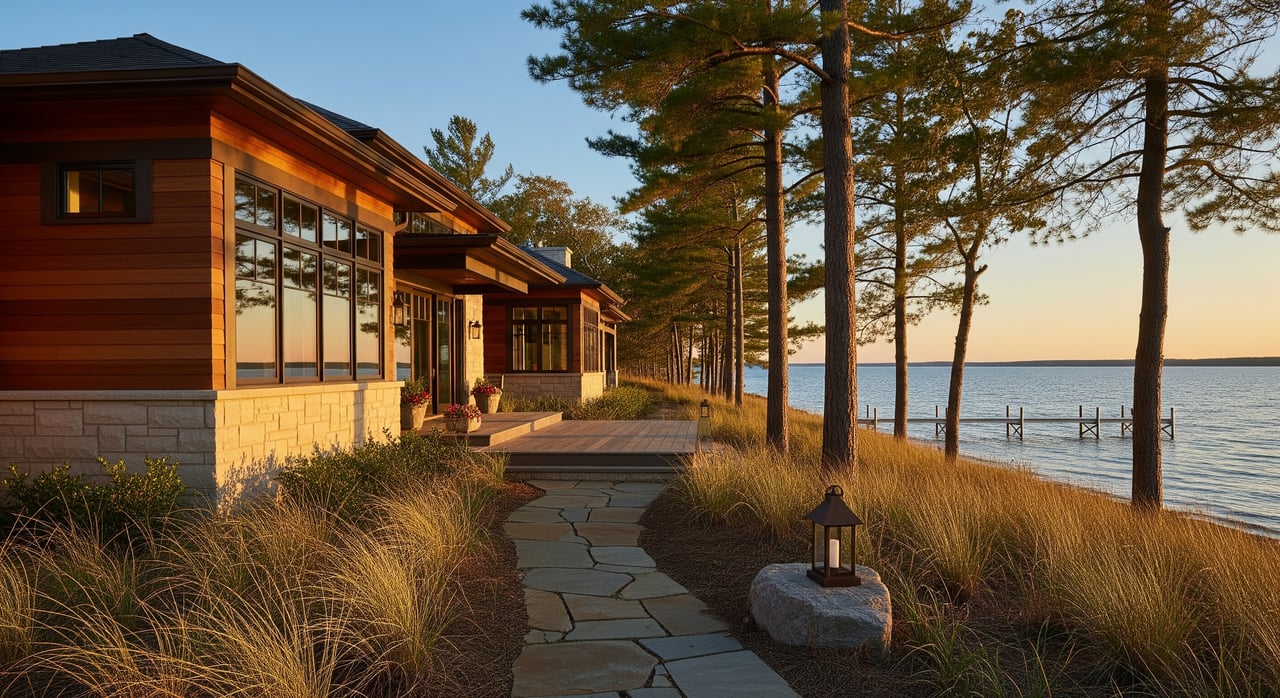
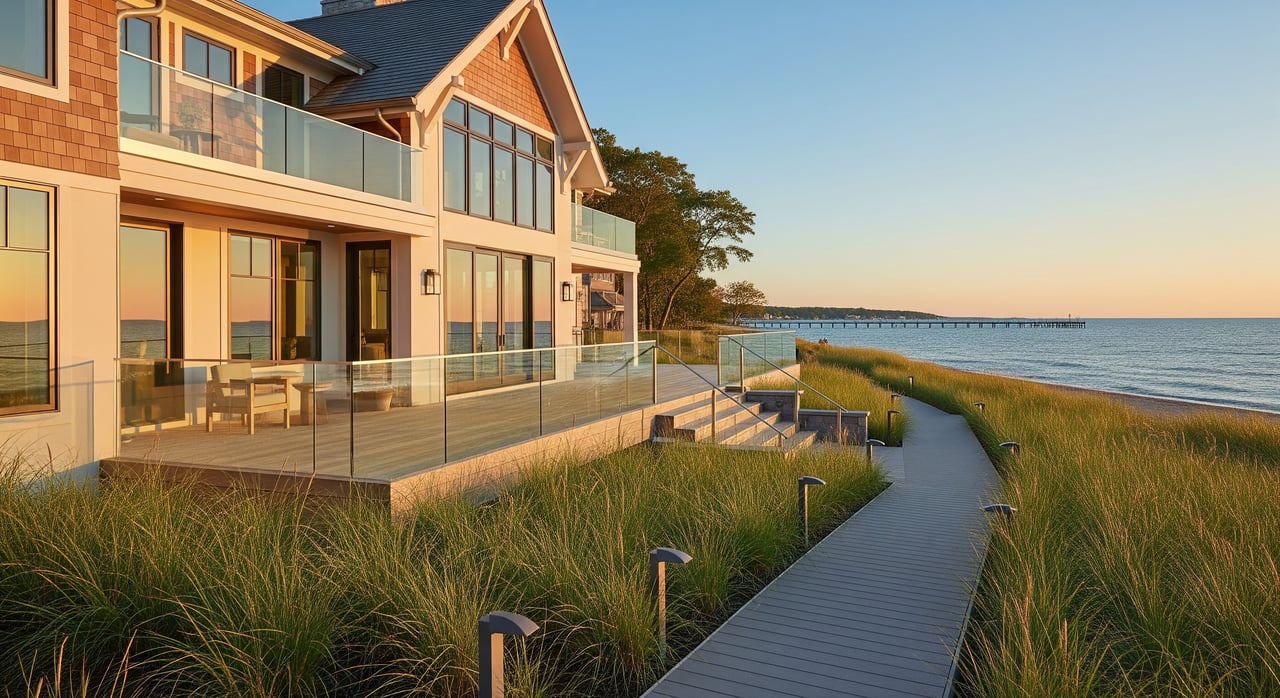
Riverfront condos near downtown and lake or lake-access homes in nearby communities are limited and often command higher prices per square foot. Expect scenic views and potential HOA or maintenance premiums. Inventory can be tight, so timing matters.
Housing styles and lots
Historic neighborhoods mainly include homes from the late 1800s through the 1930s. You will see detailed woodwork, porches, and period charm. Mid-century areas offer 1940s to 1960s ranches and split-levels, while newer suburbs feature larger footprints and attached garages.
Lot size and parking shift with location. Inner neighborhoods have smaller lots and more on-street parking. Suburban and edge areas have larger yards, driveways, and garages.
Tenure patterns also vary. Inner-city areas and mixed-use corridors include more rentals and multifamily options. Suburban and edge neighborhoods lean toward owner-occupancy.
Condition and updates depend on age. Older homes can require work on electrical, HVAC, plumbing, insulation, and lead safety if built before 1978. Newer houses are often move-in ready, but you should still review builder quality, drainage, and any HOA rules.
Prices and what to expect
Pricing changes block by block based on condition, updates, lot size, and location. Renovated historic homes can command premiums. Suburban areas like East Grand Rapids and parts of Forest Hills often sit at the higher end of the market.
For current numbers, ask your agent to pull the last 12 months of data for the neighborhoods you like. Focus on median sale price, price per square foot, days on market, and list-to-sale ratios. Review recent comparable sales, not just list prices.
Daily life by area
Walkability and errands
If you prefer walking or biking for errands, look near downtown, Eastown, Wealthy/Franklin, or Midtown. You will find coffee shops, small grocers, and services close by. Suburban areas usually mean driving for groceries, school drop-off, and most shopping.
Transit and commuting
The Rapid bus system serves many city and near-suburban routes, with frequency that varies by corridor. Inner-city commutes to downtown are often short and flexible, including cycling options on growing bike networks. Suburban residents typically rely on cars and plan for longer drive times during peak hours.
Schools and boundaries
Grand Rapids Public Schools serve most city neighborhoods, while nearby independent districts such as East Grand Rapids, Forest Hills, Kentwood, Grandville, Kelloggsville, and Godfrey-Lee manage their own boundaries. District lines do not map perfectly to city limits. If schools are important to you, confirm current boundaries and enrollment policies directly with the district.
Parks, trails, and culture
Neighborhood parks, playgrounds, and regional trails shape weekend routines. Downtown and near-downtown hubs offer a full calendar of arts, live music, festivals, and local dining. Suburban areas feature community parks and family-friendly restaurants, while most large cultural venues remain centralized downtown.
Shopping and services
Urban neighborhoods lean toward independent shops and specialty retail along small commercial corridors. Suburban areas offer grocery-anchored plazas and larger retailers. Decide whether you prefer frequent small outings or fewer one-stop trips.
Buyer tips to compare areas
- Clarify municipal lines. East Grand Rapids is a separate city with its own schools and government.
- Drive and ride-test your commute at your usual times. Check bus frequency if you plan to use The Rapid.
- Pull recent neighborhood sales. Compare median price, price per square foot, and days on market for a 12-month window.
- Inspect older homes thoroughly. Ask about lead paint, knob-and-tube wiring, galvanized plumbing, insulation, and basement moisture.
- Understand historic-district rules. In areas like Heritage Hill, exterior changes may require preservation review.
- Confirm taxes and assessments. Check jurisdiction-specific tax rates and any special assessments.
- Review HOA covenants if present. Know the dues, maintenance responsibilities, and exterior rules.
- Visit at different times. Walk the block mornings, evenings, and weekends to get a real feel for noise and activity.
Seller tips by neighborhood type
- Highlight what buyers value locally. In historic-core neighborhoods, showcase character and careful renovations. In suburban areas, focus on yard, garage space, storage, and flexible layouts.
- Stage for lifestyle. Near downtown, emphasize walkability, remote-work nooks, and low-maintenance finishes. In edge suburbs, show off outdoor living and community amenities.
- Price with precision. Use hyper-local comps that match age, updates, and lot size. Watch list-to-sale ratios to set expectations.
- Prep for inspection. Address common age-related items upfront to reduce renegotiation.
Notes for veteran and VA buyers
If you use a VA loan, plan early for appraisal timelines and any repairs that might be needed for older properties. Historic homes can work well with VA financing when safety and property condition items are handled. If you are relocating on a set schedule, focus on neighborhoods that align with your commute and daily needs to reduce moving stress.
How to narrow your shortlist
- Pick your top two lifestyle priorities. Examples include walkability, yard size, commute time, or access to parks.
- Select three neighborhoods that fit those priorities. Include one stretch option and one value option.
- Compare recent sales and inspection risks. Balance what you can update later with what needs to be move-in ready now.
- Tour at least twice. Visit on a weekday evening and a weekend morning for a true sense of daily life.
Next steps
Choosing between a walkable historic street and a quiet cul-de-sac is personal. The right fit blends your daily routine, commute, housing style, and budget. If you want a local guide who understands neighborhood nuance and can support veterans and first-time buyers alike, connect with William Leiter for a clear plan.
FAQs
Which Grand Rapids areas are most walkable?
- Inner-city neighborhoods and mixed-use corridors like Eastown, Wealthy/Franklin, and Midtown often allow you to run errands on foot or by bike.
How do school districts affect a home search in Grand Rapids?
- City neighborhoods align with Grand Rapids Public Schools, while nearby districts such as East Grand Rapids, Forest Hills, Kentwood, and others serve adjacent suburbs, so verify current boundaries before you buy.
Are there historic-district rules I should know?
- In designated areas such as Heritage Hill, exterior changes may require review by historic preservation authorities, so check guidelines before planning projects.
What commute options do I have if I work downtown?
- Many inner neighborhoods offer short drives, growing bike options, and bus routes on The Rapid, while suburban commutes typically rely on cars and take longer at peak times.
How can I estimate prices by neighborhood without guessing?
- Ask your agent for a 12-month snapshot of median price, price per square foot, days on market, and recent comparable sales for each neighborhood on your list.
What should I watch for when buying an older home here?
- Plan for a thorough inspection and be aware of potential lead paint, older wiring, galvanized plumbing, insulation gaps, and basement moisture.
How do I research safety for a specific block?
- Review local police crime data and neighborhood association updates, talk to neighbors, and visit at different times of day for firsthand context.