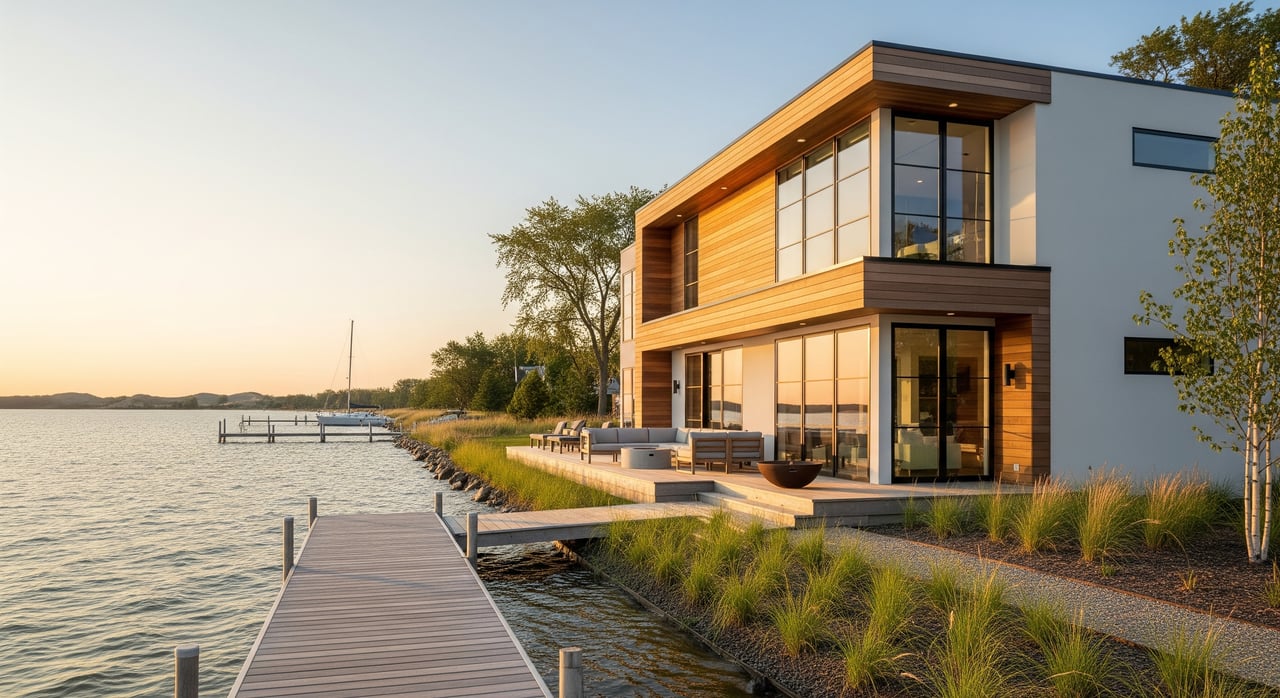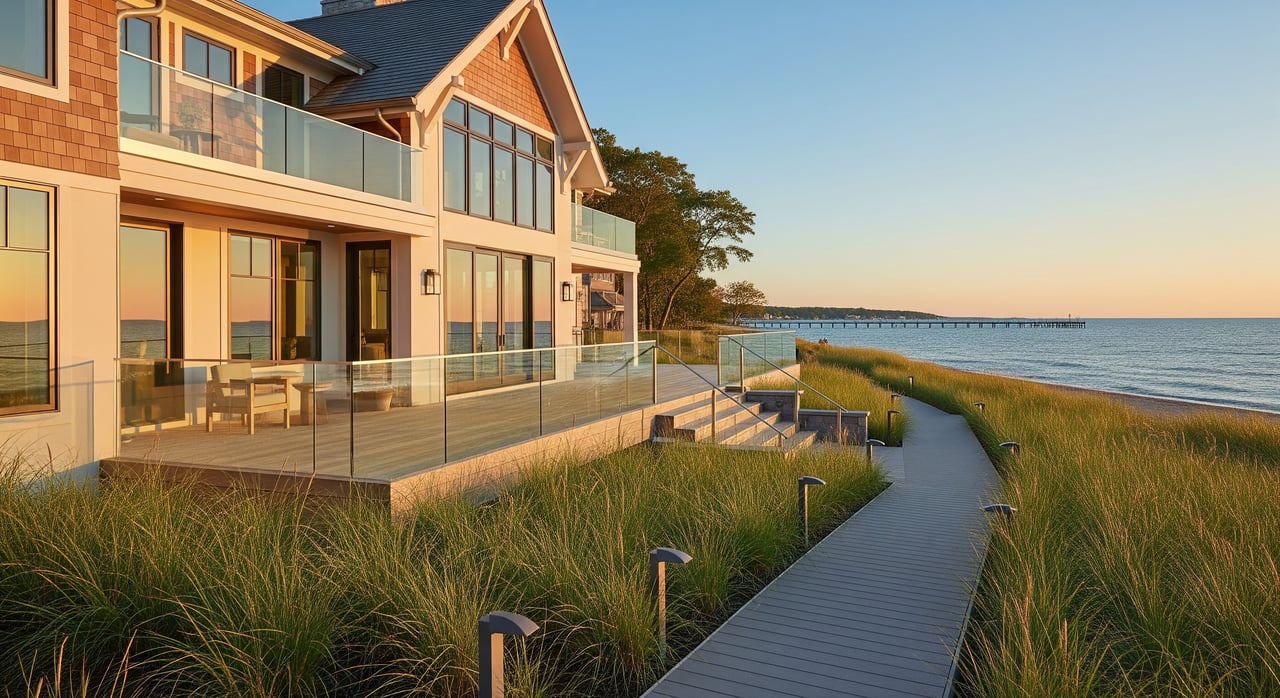
Pricing a home in Grand Haven is not one-size-fits-all. Waterfront views, seasonal demand, short-term rental potential, and even dune or floodplain rules can swing your value. If you are thinking about selling, you want a price that attracts strong offers without leaving money on the table. In this guide, you will see exactly how we determine the right price for Grand Haven homes, from data and comps to timing and appraisals. Let’s dive in.
What drives value in Grand Haven
Grand Haven’s location on Lake Michigan makes waterfront and near-water properties command premiums compared to inland homes. The beach, state park, and busy boardwalk draw both year-round residents and second-home buyers. Seasonal activity matters too. Buyer traffic usually climbs in spring and peaks in early summer, which can amplify demand for homes that allow short-term rentals.
Commuters, retirees, and vacation-home buyers all shape demand. Local amenities, parks, and events add to neighborhood appeal. Housing types range from historic homes and cottages to condos and newer single-family builds, with lot size, views, and topography playing a big role in value.
Our pricing philosophy
We start by defining market value as the most probable price a ready, willing, and able buyer would pay under normal market conditions. Your list price is a strategy that supports your goals. Do you need a quick sale, or is maximizing net proceeds your priority? We align the list price with your timeline and risk tolerance.
We also explain the tradeoffs. Listing near market value balances speed and price. Listing slightly under can spark early interest and multiple offers in tight inventory. Pricing above market can test the waters, but it often increases days on market and may lead to reductions.
The data we use
Our analysis is built on the most reliable local sources. We use the MLS for current and recent sold data, plus pending and active listings for context. We verify lot lines, tax history, and recorded documents through county records and GIS tools. We review flood maps for any risk exposure and insurance implications.
When relevant, we check local ordinances that affect short-term rentals or shoreline development. We also keep an eye on broader economic data for trend context. Public portals can provide snapshots, but MLS data drives the pricing work.
How we build your CMA
Pick the right comparables
We select recent sales that match your home’s key traits. In an active market, we focus on the last 3 to 6 months. We separate waterfront from inland properties, since lakefront comps must be lakefront. We also include pending and active listings to understand the competition buyers will see.
Make smart adjustments
We adjust for finished square footage and functional layout first. Then we account for lot features like direct lake frontage, Grand River frontage, views, and privacy. Condition and upgrades matter too. A modern kitchen, new roof, or updated HVAC can lift value, while deferred maintenance can lower it. Garage space, parking, decks, and patios are part of the equation.
If the market has shifted since a comp sold, we apply time adjustments. The result is a set of adjusted comparable values that anchor your likely sale range.
Price per square foot, used carefully
Price per square foot is a quick benchmark when homes are truly similar. In Grand Haven, it varies widely by micro-location, age, and quality. We use it as a guide within the same neighborhood and layout type, not as a one-size metric.
Set a list price and range
We deliver a suggested list price and a supported sale range. We tie the recommendation to your goals and timing. You will see the comps, adjustments, and a summary that explains the tradeoffs so you can make a confident call.
Waterfront and floodplain factors
Waterfront premium basics
Direct lake frontage, water views, and dock or beach access usually add significant value. The size of that premium depends on frontage quality, privacy, and the home’s condition. River frontage and creek adjacency can also add value, though each site is unique.
Flood risk and insurance
Proximity to Lake Michigan, the Grand River, and coastal dunes can affect insurance cost and financing. We check FEMA flood maps to flag any zones that may require flood insurance. Early awareness helps avoid surprises for you and for buyers.
Zoning, dunes, and short-term rentals
Shoreline rules, dune protection, and setback requirements can limit additions or redevelopment. Local short-term rental ordinances can affect investor demand and projected cash flow. We review these factors during pricing so buyer expectations are realistic.
Timing and seasonality
Listing in late winter or early spring often captures rising buyer activity. Summer remains strong in a beach community like Grand Haven, especially for properties that appeal to second-home buyers. If your home is seasonal or short-term-rental friendly, timing near vacation season or local events can boost exposure.
Pre-list prep that moves the needle
A clean, move-in-ready presentation supports a stronger price. Consider a pre-list inspection to handle repairs before buyers use them to negotiate. Staging and decluttering improve how your home feels online and in person. Professional photography, drone images for waterfront lots, and 3D tours can help justify a premium.
If flood risk is on the radar, gather documentation up front. Elevation information and insurance quotes can smooth buyer concerns and keep deals on track.
Appraisals and financing
Most financed buyers will need an appraisal. Appraisers use recent comparable sales and the sales comparison approach, similar to a CMA but under stricter standards. If a home is priced far above market, a low appraisal can force renegotiation or require the buyer to bring extra cash.
If an appraisal comes in low, common paths include reworking the price, the buyer covering a gap, or challenging the report with stronger comps. Cash buyers have more flexibility, but they still weigh resale value and, for investments, realistic rental potential.
How we monitor and adjust
Once live, we track Days on Market, showings, and the rate that showings convert to offers. We compare your listing against new competition and monitor the list-to-sale price ratio in your segment. If the metrics signal low demand relative to peers, we review positioning and discuss next steps, including targeted improvements or a price adjustment.
Your step-by-step with us
- Confirm your goals and timing.
- Pull MLS data for recent solds, pendings, and actives in your micro-market.
- Identify 3 to 6 best comps that match type, size, lot, and condition.
- Adjust for square footage, beds and baths, waterfront or lot traits, condition, and upgrades.
- Verify parcel details, easements, and tax history through county records.
- Check flood zones and shoreline rules, and gather elevation info if needed.
- Run a pricing sensitivity analysis that includes a suggested list price, expected sale range, and net proceeds estimate.
- Recommend targeted pre-list improvements and a marketing plan that fits your goals.
- Launch, monitor key metrics, and adjust as the data indicates.
When you know how the price was built, you can move forward with confidence. If you want a clear, local pricing roadmap for your property, we are ready to help. To start your personalized CMA and net proceeds estimate, connect with William Leiter.
FAQs
How do you choose comps for a Grand Haven home?
- We use recent solds that match your property’s type, size, condition, and neighborhood, and we separate lakefront comps from inland comps so the comparison is apples to apples.
How does waterfront location affect price in Grand Haven?
- Direct frontage, views, and access typically carry a premium, but higher insurance or regulatory limits can affect value, so the final impact depends on the specific site and home.
Should I price higher to leave room to negotiate?
- Overpricing often cuts buyer traffic and raises days on market, so a market-based price with a small strategic buffer is usually more effective than starting too high.
What happens if the appraisal comes in low on my sale?
- You can renegotiate, the buyer may bring extra cash, you can challenge the appraisal with better comps, or the deal can be canceled if contingencies allow.
How do flood risk and insurance influence value in Grand Haven?
- Flood exposure can limit the buyer pool and increase carrying costs, which may pull value down, so we verify zones, elevation, and likely insurance early in the process.
Do short-term rental rules affect my price?
- Yes, investor demand depends on realistic rental income and local ordinances, so pricing reflects both potential revenue and any municipal restrictions.
How much will I net after selling my Grand Haven home?
- Net proceeds depend on your sale price minus closing costs, commissions, prorated taxes, any mortgage payoff, and concessions, so we provide a custom estimate with your CMA.