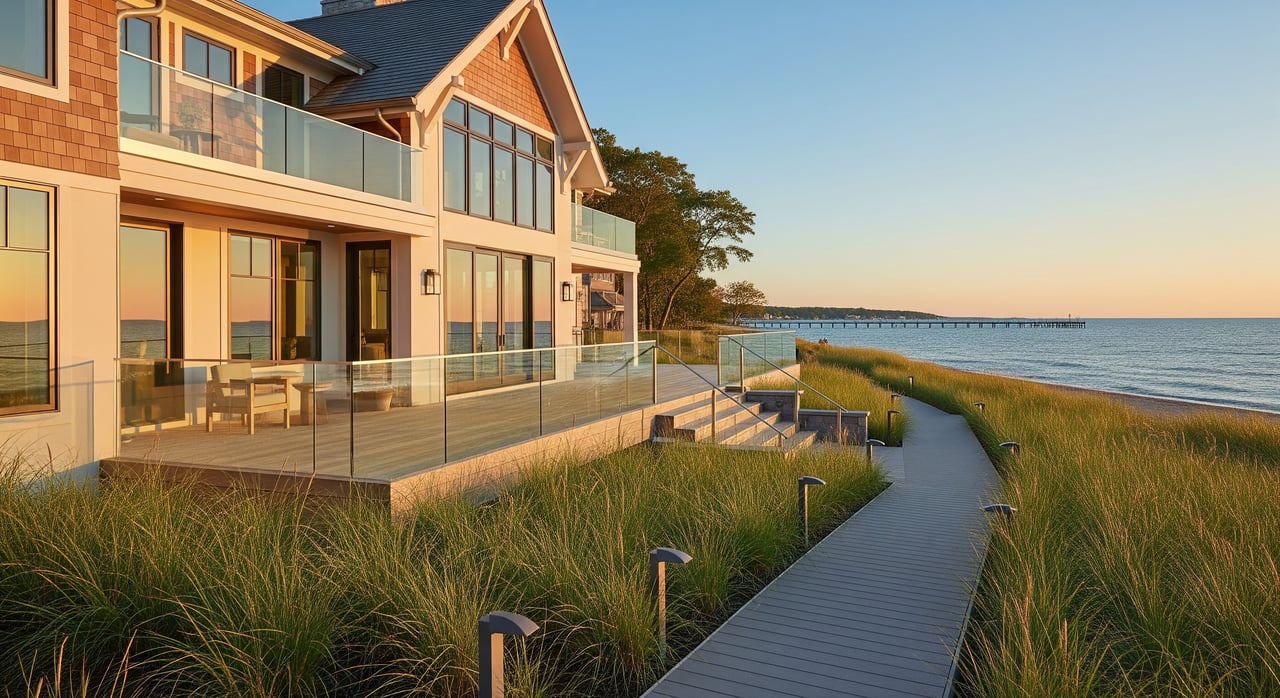
Thinking about selling your home in North Muskegon and want a plan that actually works? You are not alone. Between lakeside lifestyle appeal, seasonal buyer swings, and unique waterfront considerations, knowing what to do and when can feel overwhelming. In this guide, you will get a clear, step-by-step plan to prepare, price, market, and close with confidence, tailored to North Muskegon. Let’s dive in.
Understand North Muskegon demand
North Muskegon draws buyers for its lakeside setting, access to parks and marinas, and convenient commute to regional employers. Many buyers also consider local schools and neighborhood amenities when choosing a home. You may see interest from local move-up or downsizing buyers, out-of-area second‑home buyers, and retirees, with a different pace and expectations for waterfront properties. For a broad feel for the community, review the U.S. Census QuickFacts for North Muskegon.
Seasonality and timing
Buyer activity typically builds in late spring and peaks in early to mid-summer. Fall can be active with motivated buyers, while mid-winter is slower but can bring serious, qualified traffic. Waterfront homes are especially seasonal, so listing during warmer months can help highlight outdoor spaces and water access.
Data to watch
Ground your pricing in local data, not broad county averages. A current CMA using the Muskegon County MLS, inventory levels, and days on market will help you set expectations. For a wider view of market trends, check recent reports from Michigan REALTORS.
Prep your home the right way
Start with a practical walkthrough. Fix items that impact first impressions and inspection results.
- Prioritize roof condition, HVAC performance, water intrusion, and any structural red flags.
- If your home is on or near water, review shoreline stability, decks or docks, and any seawalls.
- Get estimates for larger repairs like roofing, septic, or major mechanicals. Estimates give you options during negotiations.
Consider pre-listing inspections
A pre-listing home inspection can surface issues early so you decide whether to fix or price accordingly. In Michigan, buyers commonly request radon tests, and older homes may prompt asbestos or lead paint discussions. Learn about testing through the Michigan Department of Health and Human Services radon guidance. If you have a septic or well, be ready with maintenance records or recent inspection reports.
For waterfront properties, clarify easements, any permitted shore protection, and lake access details. Check your property’s flood zone at the FEMA Flood Map Service Center. If shoreline changes are a concern, review long-term trends from the US Army Corps of Engineers Great Lakes water level information.
Staging and photo readiness
Presentation matters. Professional-quality photos and simple staging can boost online attention.
- Exterior: mow, tidy landscaping, power wash, and touch up paint. Replace worn fixtures where needed.
- Interior: declutter, remove personal items, and touch up neutral paint. Make sure lighting is bright and consistent.
- Prepare spaces that photograph well, especially kitchens, living rooms, primary bedrooms, and outdoor areas.
Quick tip: Schedule photos on a sunny day and aim for twilight shots if your exterior lighting shines.
Disclosures and local items
In Michigan, you must disclose known material defects using the standard property disclosure form used by local REALTOR associations. Waterfront sellers should be prepared to disclose known shoreline, flooding, or erosion issues and any related permits. If you are in an HOA or local district, gather covenants and required owner documents now.
If you anticipate permits or questions about local ordinances, start with the City of North Muskegon for guidance on utilities, permits, and local contacts. Clear, timely disclosures build buyer trust and reduce back-and-forth later.
Price with confidence
A strong pricing strategy begins with a local CMA that uses truly comparable properties. Do not mix waterfront and non-waterfront comps. Adjust for lot type, water frontage, age, condition, updates, views, and special features like docks or private access.
- Market-price strategy: List near market value when inventory is balanced.
- Price-aggressive strategy: List slightly below market to spark multiple offers in low-inventory periods.
- Seasonal planning: If you can wait, a spring launch can capture more traffic. If timing is tight, well-prepared off-season listings can still perform.
Avoid common pitfalls like relying on county-wide averages, over-improving beyond what local comps support, or ignoring recent changes in mortgage rates and buyer demand.
Market to the right buyers
Your listing should meet buyers where they are, both online and in person. Aim for thorough, accurate, and visually strong marketing.
- Professional photography, video, and for waterfront homes, consider aerial images to capture shoreline context.
- 3D virtual tours and floor plans help out-of-area buyers evaluate quickly.
- Write an accurate, compelling description. Highlight lake access or proximity, parks and marinas, recent upgrades, utility types, and any transferable permits.
- Syndicate to the MLS and major search portals. Use targeted social advertising and neighborhood-focused promotion to increase reach.
Waterfront tip: Include clear lot boundaries, water frontage details, and floodplain information in your listing materials. Waterfront buyers expect clarity and will ask for it.
Showings and offers
Make it easy to see the home. Coordinate open houses around local events and the seasonal calendar. For waterfront listings, emphasize outdoor living spaces during warmer months. Offer flexible showing windows, and consider virtual showings for remote buyers.
When offers arrive, use a comparison worksheet so you do not focus on price alone. Evaluate contingencies, financing strength, inspection timelines, and closing flexibility.
- Common contingencies: inspection, appraisal, financing, and sale-of-home. Decide your comfort level with each before listing.
- If you receive cash or investor offers, ask for proof of funds and weigh speed against certainty.
- In competitive moments, escalation clauses or multiple-offer strategies can help, as permitted by your local MLS rules.
Closing costs and logistics
As a seller, your costs typically include a negotiated real estate commission, title and closing fees, transfer taxes if applicable, prorated property taxes, and payoff of any mortgages or liens. You may also cover repairs or concessions agreed to after inspections.
Confirm your title is clear of liens and any code enforcement issues. If you have a septic system or well, provide documentation on maintenance and any recent service. If a flood zone applies, be ready to discuss insurance and buyer financing considerations that may come with it.
Plan for a 30 to 45 day closing for financed purchases. Cash deals can close faster. Coordinate utilities, final cleaning, and the buyer’s final walkthrough well before keys change hands.
Your step-by-step checklist
- Obtain a current CMA from a local agent.
- Conduct a walkthrough and prioritize repairs, then get contractor estimates.
- Decide on pre-list inspections and a radon test if appropriate.
- Complete required seller disclosures with agent or attorney assistance.
- Stage for photos, schedule professional-quality photography, and prepare listing materials.
- Set your pricing strategy and target timing. Spring and summer bring more traffic.
- Review offers with a comparison worksheet that weighs price, contingencies, and timelines.
- Coordinate closing logistics, including title, payoffs, utilities, keys, and final walkthrough.
Ready to list? Let’s talk
You deserve a plan that respects your timeline and maximizes your results. With community-first values, modern marketing, and responsive service, you can move forward with clarity and confidence. If you are considering selling in North Muskegon, schedule a no-pressure strategy call with William Leiter to outline your best path to market.
FAQs
When is the best time to list in North Muskegon?
- Late spring through mid-summer typically brings the most buyer activity, while fall can be steady and winter slower but more focused.
How should I price a waterfront home in North Muskegon?
- Use a CMA that compares only waterfront properties, then adjust for frontage, views, condition, and unique features like docks or shore protection.
Do I need a pre-listing home inspection in Michigan?
- It is optional but helpful to surface issues early, choose fixes vs. pricing adjustments, and speed up negotiations with buyers.
What seller disclosures are required in Michigan?
- You must disclose known material defects using the standard property disclosure form, plus shoreline or flooding information for waterfront homes when applicable.
How do I check if my property is in a flood zone?
- Search your address using the FEMA Flood Map Service Center and share the results with your agent and potential buyers.
Should I test for radon before listing?
- Radon testing is common in Michigan, and having results ready can reduce uncertainty for buyers and support smoother negotiations; see the MDHHS radon guidance for details.
Where can I find broader market trends for planning?
- Review recent statewide and regional insights from Michigan REALTORS and pair that with a local CMA for neighborhood-level accuracy.