Dreaming about coffee with a water view in North Muskegon? A lake-area home can offer that lifestyle, but it also comes with details you do not want to overlook. If you are thinking about buying near Muskegon Lake, Bear Lake, or the Lake Michigan side of the peninsula, this guide will help you focus on the features, risks, and questions that matter most before you close. Let’s dive in.
What Lake-Area Means in North Muskegon
In North Muskegon, “lake-area” can mean more than direct waterfront. The city sits on a peninsula between Muskegon Lake and Bear Lake, with Lake Michigan nearby and Muskegon State Park and local water access points shaping how many homes relate to the water. Some properties sit right on the shoreline, while others offer water views, nearby access, or channel-based boating connections.
That distinction matters when you shop. Two homes may both be marketed as lake-area properties, but one may have private frontage and a dock while the other may simply be close to the water. In North Muskegon, you want to confirm exactly what kind of access, frontage, and view you are getting.
Bear Lake Has Unique Ownership Considerations
Bear Lake is not the same as a large, deep open-water setting. The Muskegon Lake Watershed Partnership describes Bear Lake as a 415-acre drowned river mouth lake with an average depth of about 7 feet. That can make vegetation, weed management, dock placement, and lake-treatment notices more relevant to day-to-day ownership.
If you are considering a home near Bear Lake, it helps to think beyond aesthetics. A beautiful backyard can still come with practical questions about shallow water, shoreline growth, and seasonal lake-use restrictions.
Start With Water Access
When you tour a lake-area home, the view should not be your only focus. The bigger question is how you actually use the water from that property. Ask whether the home includes a permanent dock, a seasonal dock, a boat hoist, or some other shoreline access setup.
According to Michigan EGLE guidance on docks and boat hoists, permanent docks or boat hoists on inland lakes or streams require a permit, while seasonal private noncommercial structures that are removed at the end of boating season generally do not. That means buyers should verify not just whether a dock exists, but what type it is and whether it was installed properly.
Questions to Ask About Docks and Hoists
- Is the dock permanent, seasonal, shared, or privately owned?
- Is there a boat hoist or lift, and who maintains it?
- Were any required permits obtained?
- Will the dock or hoist stay with the property after closing?
- If you close in fall or winter, who removes or winterizes the equipment?
These details can affect both your costs and your first season in the home.
Look Closely at the Shoreline
A shoreline is not just a backdrop. It is a major part of the property’s condition and future maintenance. You should look at whether the edge is natural, riprapped, seawalled, or stabilized in some other way.
Michigan EGLE shoreline protection guidance explains that native plant buffers can help stabilize soil, filter runoff, and reduce erosion. The same guidance also notes that hard armoring such as seawalls can affect habitat and may worsen erosion or water-quality issues nearby. For you as a buyer, that means the right question is not “Does it have a seawall?” but “What condition is the shoreline in, what work has been done, and what may need attention later?”
Shoreline Red Flags to Watch For
- Bare or slumping banks
- Signs of active erosion
- Cracked or leaning seawalls
- Washed-out landscaping near the water
- Poor drainage flowing directly toward the shoreline
If previous work was done near or below the ordinary high water mark, ask whether permits were pulled. EGLE notes that shoreline projects at or below that mark require a permit, and it identifies bioengineering as a preferred best management practice in many inland-lake situations.
Drainage Matters More Than You Think
Even if a home is not directly on the water, drainage is a big issue in North Muskegon. The city explains that stormwater runoff often discharges untreated into Muskegon Lake and Bear Lake, which is why stormwater management is taken seriously.
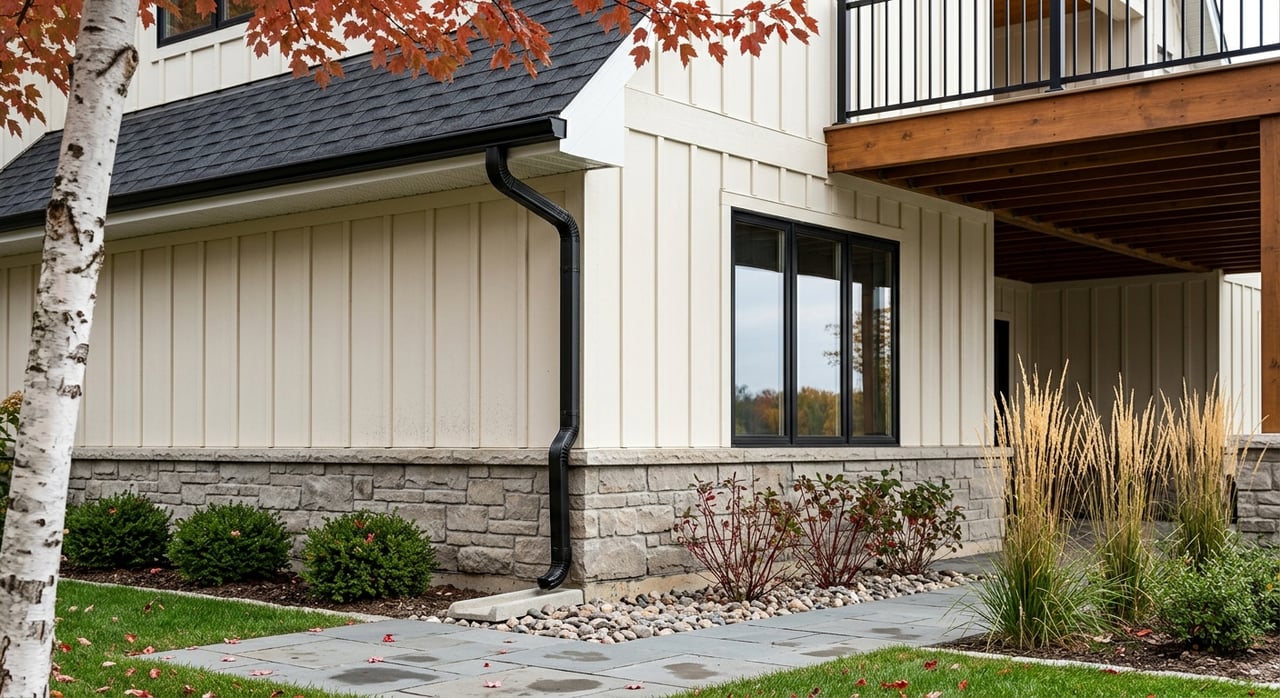
For buyers, this makes exterior grading and runoff patterns a key part of any showing. Pay attention to where downspouts empty, whether gutters appear effective, and whether the yard has low spots that may hold water after heavy rain. A home can look great on a sunny day and still have a drainage problem that affects the lot, basement, or shoreline.
Check Flood Risk by Address
You should never guess flood exposure based on a quick walk around the block. Waterfront and near-water properties can carry risks that are not obvious from the street. The best next step is to check the parcel directly through the FEMA Flood Map Service Center.
Once you identify the map status, ask your lender and insurance provider whether flood coverage is required or recommended. This is especially important in North Muskegon because of the proximity to Muskegon Lake, Bear Lake, and Lake Michigan-connected water systems.
Plan for Water Level Changes
Lake conditions do not stay the same year after year. Michigan EGLE notes that Great Lakes water levels shift with weather, seasons, and climate, can change in hours, and often vary 1 to 2 feet seasonally, with larger swings over time.
That can affect how a lot functions. High water can increase erosion risk, while low water can make access harder for docks and boats. If you are buying a property because of waterfront use, it is smart to ask how the site performs in both high-water and low-water periods.
Understand Rules, Boards, and Shared Governance
Not every lake-area home is governed the same way. Some properties may fall under a homeowners association, condo rules, a shared-access agreement, or a lake board structure. Around Bear Lake, the Bear Lake Lake Board posts treatment notices and points owners to a preservation association guidebook, which signals that rules and lake management can affect your ownership experience.
Before you buy, ask whether there are:
- Dues or special assessments
- Dock or shoreline rules
- Shared-access limitations
- Lake-treatment schedules
- Temporary swimming or sprinkling restrictions
- Maintenance responsibilities tied to common areas or access points
These are the kinds of details that can shape your budget and how you use the property.
Think Through Seasonal Ownership
North Muskegon offers four distinct seasons. Visit Muskegon reports average summer temperatures around 78 degrees, average winter temperatures around 33 degrees, and about 93 inches of annual snowfall. That means your showing season can reveal very different things depending on when you visit.
A summer showing may help you understand water views, boat access, and shoreline usability. A winter showing may better expose snow storage, driveway function, roof drainage patterns, and how practical the property feels during heavy-weather months.
Winter Logistics Matter Too
North Muskegon notes that it plows all city streets and restricts street parking between 2 a.m. and 6 a.m. from November 1 to March 31. If you expect guests, multiple vehicles, or a seasonal second-home setup, driveway design and parking layout deserve a closer look.
For buyers closing late in the year, dock timing is another issue. Seasonal docks and swim rafts are commonly put in at the start of boating season and removed at the end, so ask exactly what happens to water equipment between closing and next spring.
Rental Plans Need Zoning Review
If you want flexibility to use the property as a vacation rental or occasional short-term rental, do not assume that will be allowed. North Muskegon states that short-term rentals are permitted only as a special land use in certain districts, and non-homestead residential properties require rental registration and inspection.
That means zoning should be part of your due diligence before you make plans based on rental income. If rental flexibility matters to you, confirm the district rules early in the process.
Nearby Water Access Still Adds Value
A home does not need private frontage to support a water-focused lifestyle. North Muskegon highlights nearby amenities such as Muskegon State Park, Bear Lake Beach, and access to Muskegon Lake. For some buyers, public recreation options may be just as important as private shoreline.
If you want year-round enjoyment, consider how close the home is to beaches, boat launches, trails, and lakefront parks. That can broaden your search and help you find a property that fits both your budget and your lifestyle goals.
A Smart Buying Checklist
Before you move forward on a lake-area home in North Muskegon, make sure you have clear answers to these questions:
- What kind of water access comes with the property?
- Is the dock or hoist seasonal, permanent, shared, or permitted?
- What is the shoreline condition, and has erosion work been done?
- Where does stormwater go during heavy rain?
- Is the parcel in a flood zone?
- Are there lake board, HOA, condo, or shared-access rules?
- Are there treatment notices, dues, or assessments?
- How does the property function in winter?
- If you want rental flexibility, what does zoning allow?
The more specific your questions, the more confident your decision can be.
Buying near the water in North Muskegon can be incredibly rewarding, but the best experience starts with careful due diligence. If you want help comparing lake-area properties, spotting the practical differences between listings, and asking the right questions before you buy, connect with William Leiter for clear, local guidance.
FAQs
What should you ask about a dock at a North Muskegon lake-area home?
- Ask whether the dock is seasonal or permanent, whether it is shared or private, who maintains it, and whether any permit was required or obtained.
How do you check flood risk for a North Muskegon waterfront property?
- Use the official FEMA Flood Map Service Center to verify the exact parcel, then ask your lender and insurer whether flood coverage is required or recommended.
Why does shoreline condition matter when buying near Bear Lake or Muskegon Lake?
- Shoreline condition affects erosion risk, maintenance costs, water quality, and whether future repair or stabilization work may need permits.
Are short-term rentals allowed for homes in North Muskegon?
- North Muskegon says short-term rentals are allowed only as a special land use in certain zoning districts, and rental registration and inspection requirements may apply for non-homestead residential properties.
What seasonal issues should you consider with a North Muskegon lake-area home?
- You should look at winter access, snow storage, parking layout, drainage performance, and whether docks, lifts, or other water equipment will need seasonal removal or winterization.