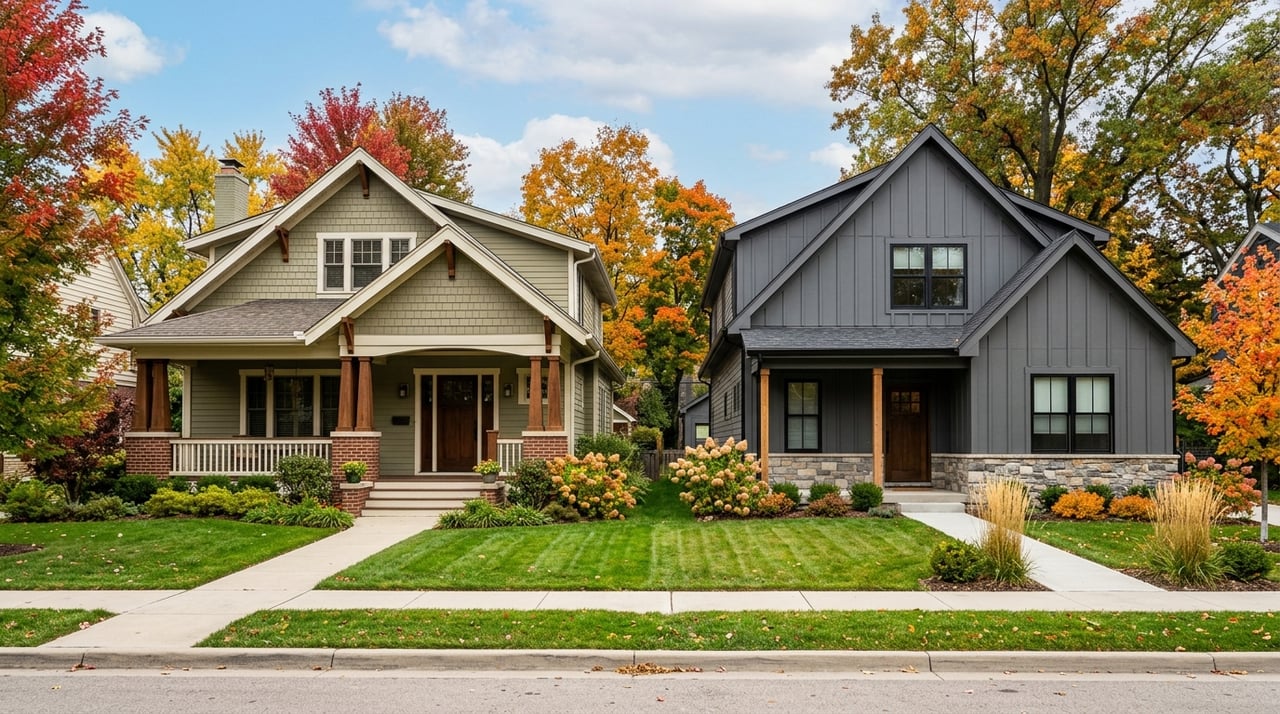
Buying in Grand Rapids can feel like choosing between two very different versions of homeownership. Do you want original woodwork, older streets, and a house with a story, or a newer layout, fewer projects, and more day-one convenience? In a market where homes can move in about 10 to 14 days and vacancy is extremely tight, the decision matters. This guide will help you compare historic and new homes in Grand Rapids so you can decide what fits your budget, lifestyle, and comfort level best. Let’s dive in.
Why this choice matters in Grand Rapids
Grand Rapids is not a market where you can afford much guesswork. The city’s current housing plan cites a homeowner vacancy rate of just 0.3% in 2025, and the region still needs thousands of additional rental and for-sale homes by the end of 2029.
That shortage affects how you shop. When inventory is limited and homes go pending quickly, it helps to know in advance whether you are better matched with an older in-town home or newer construction.
The local housing stock also makes this a very real decision. Grand Rapids has 85,145 housing units, and much of the city was built long before today’s building standards and design preferences.
Grand Rapids has a lot of older homes
If you are drawn to historic homes, Grand Rapids gives you plenty to consider. The city’s housing plan says 68.12% of owner-occupied homes were built before 1960, which means older homes are a major part of the local market.
That age shows up most clearly in established neighborhoods near the city core. Heritage Hill, Eastown, and East Hills are well-known examples of places where older homes shape the look and feel of the area.
Heritage Hill is the city’s oldest neighborhood and includes about 1,300 historic properties with more than 60 architectural styles. Most homes there date from the 1840s to the 1920s, which helps explain why buyers often look there for character and architectural detail.
Eastown is another example of a classic older neighborhood. It spans about 70 square blocks on the east side of the city, and nearby Uptown areas are known for historic homes along tree-lined streets.
What historic homes offer
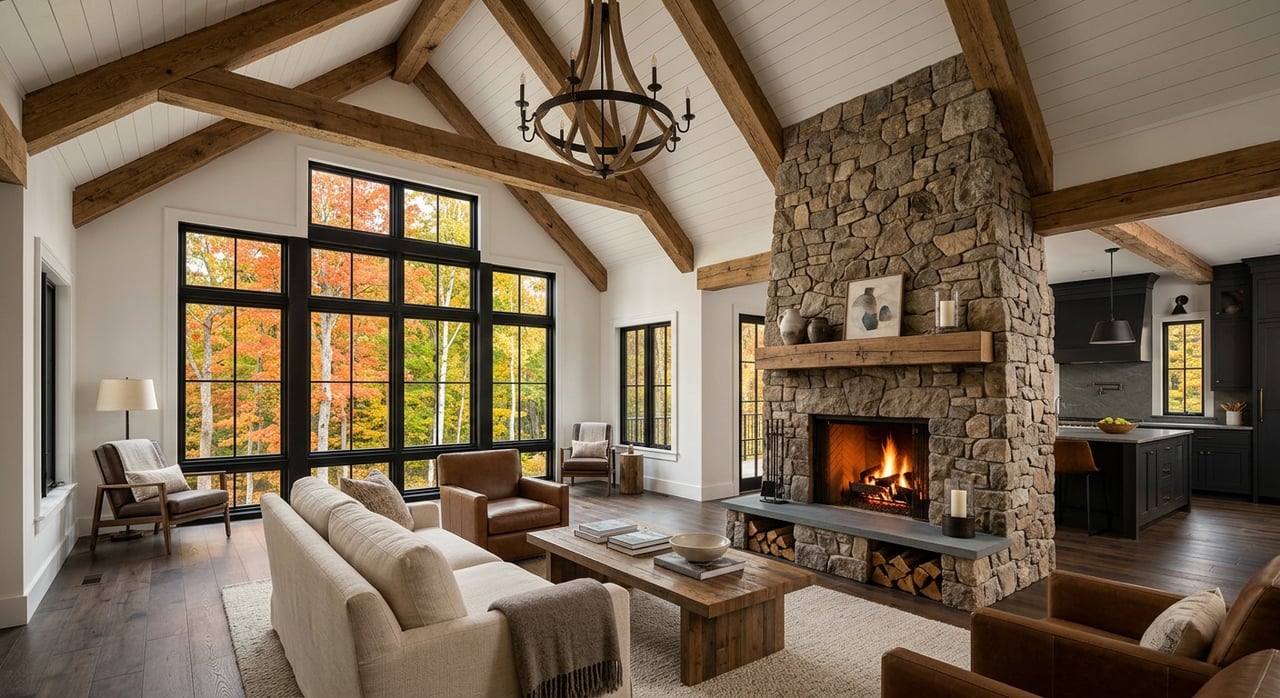
Historic homes usually appeal to buyers who care about charm and location. You may find details that are hard to replicate in newer construction, like original trim, unique facades, front porches, and layouts that reflect the era in which the home was built.
You may also prefer the setting. Older Grand Rapids neighborhoods often offer mature streetscapes and a close-in location that attracts buyers who want an established in-town feel.
Price can vary more than many buyers expect. Recent sold examples in Heritage Hill ranged from roughly $165,000 to $319,000 for smaller condos and attached units, while many single-family homes sold between $400,000 and $900,000, with some larger properties around $1.25 million to $1.30 million.
Eastown also shows a broad range. Recent sold examples ran from about $85,000 for a smaller home to $925,000 for a larger historic property, with many homes landing in the $300,000 to $600,000 range.
What historic homes can require
The tradeoff is upkeep. Grand Rapids says its older housing stock is more likely to need structural and environmental work, and the city specifically notes issues like roof, window, and HVAC replacement as common needs over time.
Older homes may also come with lead-related concerns. The city plan notes that homes built before 1978 are presumed to contain lead-based paint, and some properties may also involve asbestos abatement or similar updates.
That does not mean every older home is a problem. It does mean you should budget carefully for repairs, inspections, and future projects, especially if you are buying a home that has not been updated recently.
A helpful question to ask yourself is simple: How much repair risk can you comfortably take on in year one? Your answer often points you toward the right choice.
Historic district rules can affect your plans
If you are shopping in a locally designated historic district, exterior work may involve more than your own design preferences. In Grand Rapids, all exterior work affecting a historic resource or property in a historic district requires a Certificate of Appropriateness.
For more complex work, such as additions, demolitions, or new construction, the city requires review by the Historic Preservation Commission. Applicants may also need to provide drawings, material samples, and other supporting information.
That process is not necessarily a deal breaker. It simply means you should understand the rules before you buy, especially if your plan includes major exterior changes.
What new homes offer in Grand Rapids
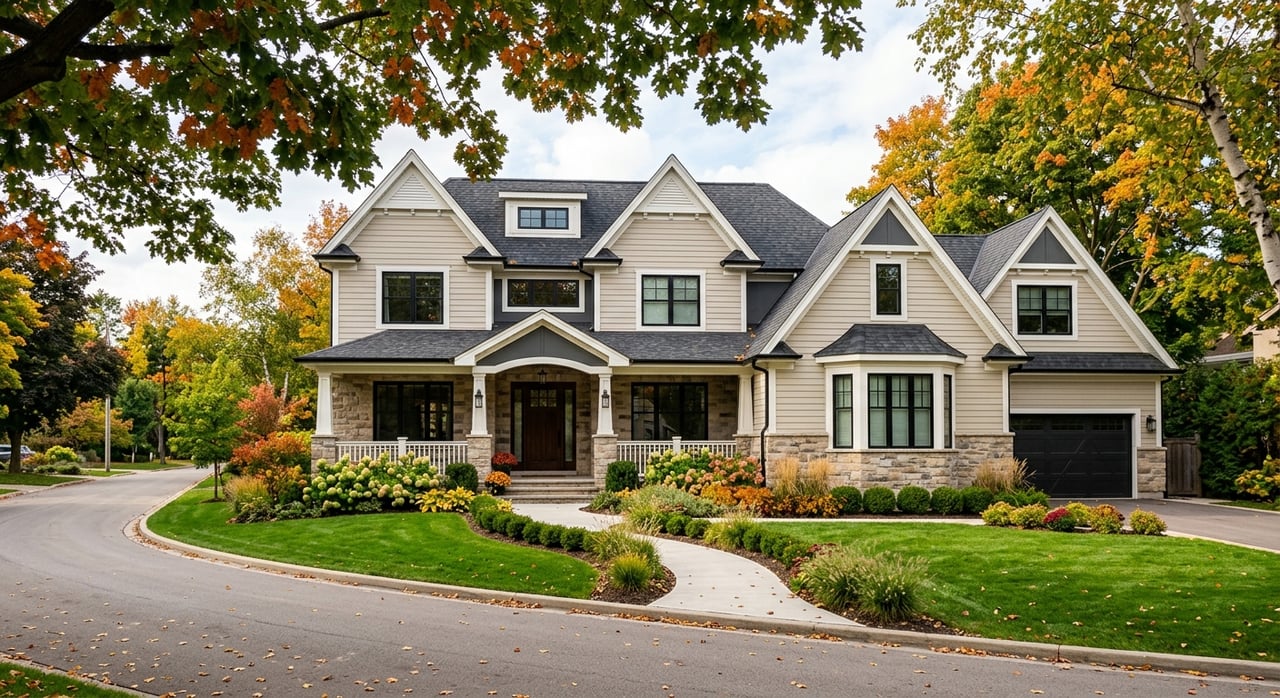
New construction gives you a different kind of value. Many buyers choose newer homes because they want a more predictable move, fewer immediate repair projects, and features that match how people live today.
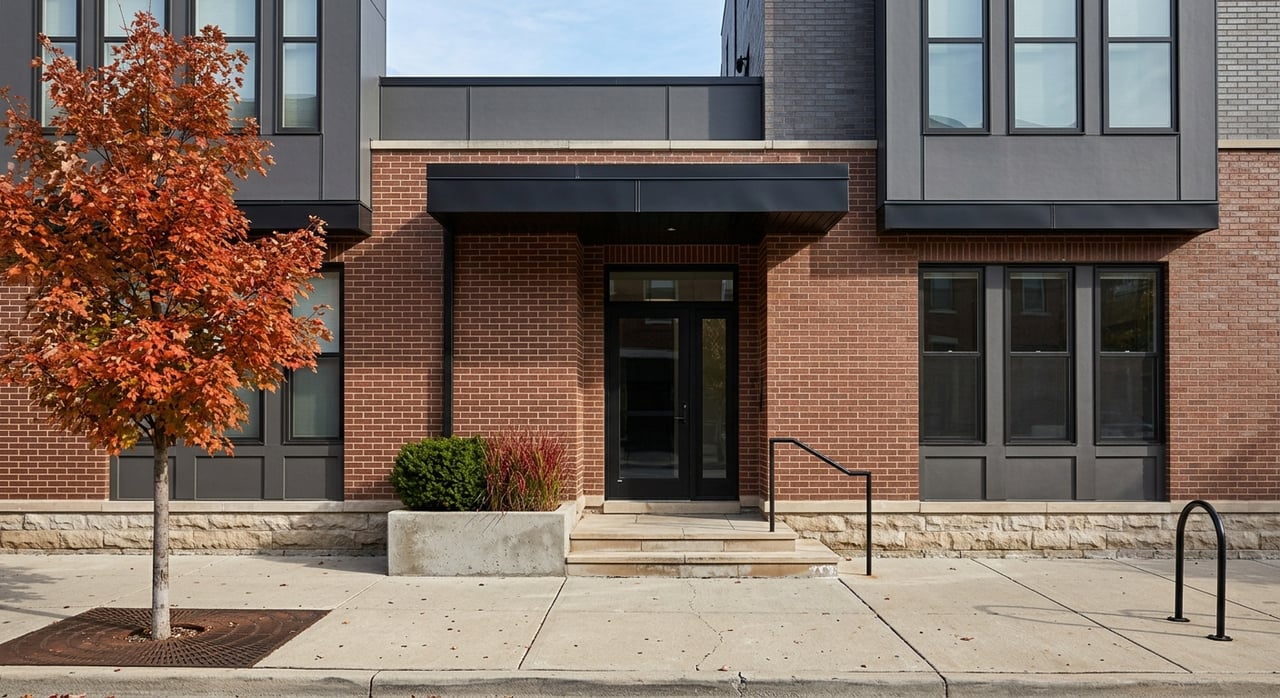
In the Grand Rapids area, new construction is not limited to far-out suburban locations. Current inventory includes homes inside the city in 49507 and 49503, along with newer homes in 49546, Kentwood, and Walker.
Many of these homes are marketed with features buyers actively seek, including open-concept floor plans, mud rooms, main-floor laundry, zero-step entry, and dedicated office space. Those features can improve day-to-day function right away.
Newer homes may also offer better efficiency. Recent local listings highlight things like insulated construction, Low-E windows, and RESNET energy certification, which align with the general efficiency advantages buyers expect from newer building standards.
Why new homes can cost more upfront
A newer home can reduce surprise costs in the short term, but that convenience often comes at a premium. In Grand Rapids and nearby communities, current examples range from about $231,700 to $257,250 for infill homes, around $345,500 to $725,000 for city and suburban new homes, and $825,000 to more than $1.5 million for custom or semi-custom properties.
That range matters because “new construction” is not one price point. It can include entry-level infill, mid-market homes, townhome-style builds, and high-end custom properties.
The key advantage is often not lower price. It is lower near-term maintenance and a more turn-key experience.
Historic vs new: a practical comparison
Here is a simple way to frame the choice in Grand Rapids.
| Factor | Historic Home | New Home |
|---|---|---|
| Location style | Often in older in-town neighborhoods | Found in city infill and newer suburban areas |
| Character | Distinct architecture and original details | Clean finishes and modern design |
| Layout | May feel more segmented or era-specific | Often open and designed for current lifestyles |
| Maintenance | More likely to need repairs or upgrades | Usually fewer immediate projects |
| Efficiency | May need insulation or system updates | More likely to offer stronger thermal performance |
| Exterior changes | May be regulated in historic districts | Usually more flexible, depending on community rules |
| Upfront cost | Can vary widely by condition and location | Often carries a premium for convenience |
Questions to ask before you decide
Before you choose a historic or new home, focus on your ownership style instead of just the home’s age. The right answer usually becomes clearer when you think about how you want to live in the home, not just how the home looks online.
Ask yourself:
- Do you want architectural character more than a fully modern layout?
- Are you comfortable setting aside money for repairs or upgrades?
- Would exterior review rules in a historic district frustrate your plans?
- Do you want main-floor living, open space, or energy-conscious construction from day one?
- Is your budget better used on purchase price now or projects later?
If you enjoy the idea of improving a home over time, an older property may fit you well. If you want a smoother first year with fewer unknowns, new construction may be the better match.
A note for veterans and military buyers
If you are a veteran or active-duty buyer, clarity matters even more when your timeline is tight or your move is tied to service. A historic home may offer great location and character, but it can also bring more repair variables.
A newer home may feel simpler if your goal is move-in-ready living with fewer near-term projects. The best option depends on your budget, timeline, and how much flexibility you want after closing.
The best choice depends on you
There is no universal winner in Grand Rapids. Historic homes often stand out for character, mature surroundings, and neighborhood identity, while new homes tend to stand out for efficiency, convenience, and lower short-term upkeep.
In a competitive market like Grand Rapids, the smartest move is to decide what tradeoffs you are willing to make before you start touring homes. That way, you can act faster and with more confidence when the right property comes along.
If you want help weighing the pros and cons of older homes versus new construction in Grand Rapids, Leiter Home Group LLC can help you compare options and move forward with a clear plan.
FAQs
What is the main difference between historic and new homes in Grand Rapids?
- Historic homes usually offer more architectural character and older in-town locations, while new homes usually offer more modern layouts, better day-one efficiency, and fewer immediate maintenance needs.
What should buyers know about older homes in Grand Rapids?
- Grand Rapids has a large share of homes built before 1960, and older homes are more likely to need updates to roofs, windows, HVAC systems, insulation, or lead-safe features.
What are historic district rules for Grand Rapids homes?
- If a home is in a locally designated historic district or is a historic resource, exterior work requires a Certificate of Appropriateness, and larger projects may need Historic Preservation Commission review.
Where can you find new construction in the Grand Rapids area?
- Current new-construction examples appear inside the city in areas like 49507 and 49503, as well as in 49546, Kentwood, and Walker.
Are historic homes always cheaper than new homes in Grand Rapids?
- No. Both historic and new homes span a wide price range, and the better value often depends on condition, location, size, and how much money you may need to spend after closing.